The Invisible Signs
Constant criticism dressed up as jokes. Being told you're too sensitive. Apologizing for things you didn't do. Losing track of what actually happened.
01
In immediate danger? Call 911

I'm Hope — a two-time domestic violence survivor. It still took me three years to realize I was living inside psychological and narcissistic abuse. This is my story, the signs I missed, and the help that's out there for you.
Use the Quick exit button at the top of this page at any time if you need to leave this site fast.

I started a Facebook page, and now this website, to say out loud what took me far too long to understand: even as a two-time domestic violence survivor, it took three years before I realized I was in a psychological and narcissistic abusive relationship.
There were no bruises to point to. There was confusion, self-doubt, walking on eggshells, and a version of him the world never got to see. This site follows my journey — becoming aware, finding a way out, healing, and rebuilding a life that feels like mine again. It's also here so you don't have to figure it out alone or take three years to name what's happening to you.
If you're reading these and your stomach drops, that's information — not overreacting. You don't need a bruise to deserve help.
Constant criticism dressed up as jokes. Being told you're too sensitive. Apologizing for things you didn't do. Losing track of what actually happened.
Yelling, threats, broken things, grabbing, blocking a doorway, driving dangerously to scare you, harming pets, unwanted physical or sexual pressure.
Your money, phone, car keys, passwords, friendships and family time slowly handed over to him — until leaving feels impossible by design.
Charming, generous, the person everyone likes. Two completely different people — and only you ever meet the second one.
Abuse rarely arrives all at once, and it rarely looks like the movies. Here's what it actually looks like — the visible forms, and the invisible ones that do just as much damage.

The abuse almost nobody sees — the one that took me three years to name. It works by making you doubt your own memory, instincts and worth.
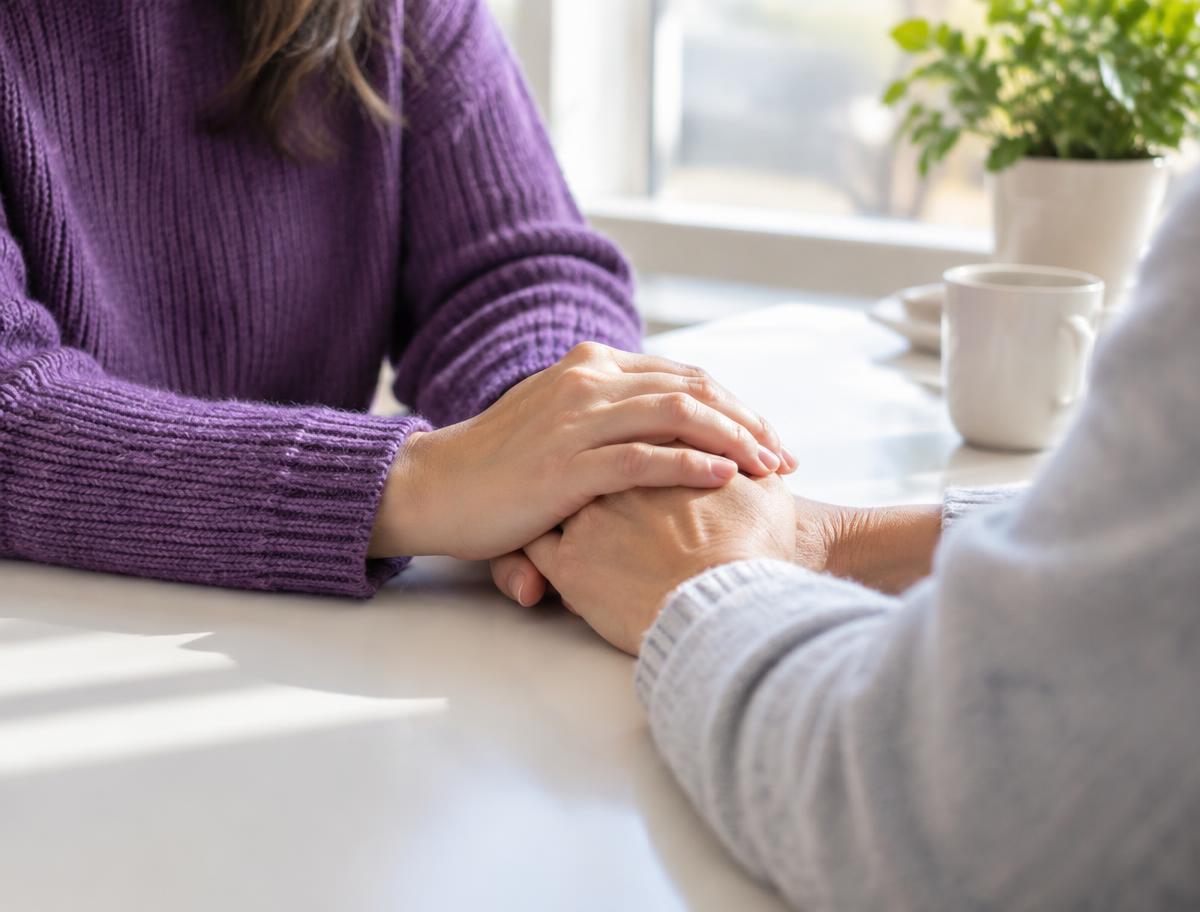
The forms people picture when they hear domestic violence — and the ones most often minimized as temper, stress or a bad night.
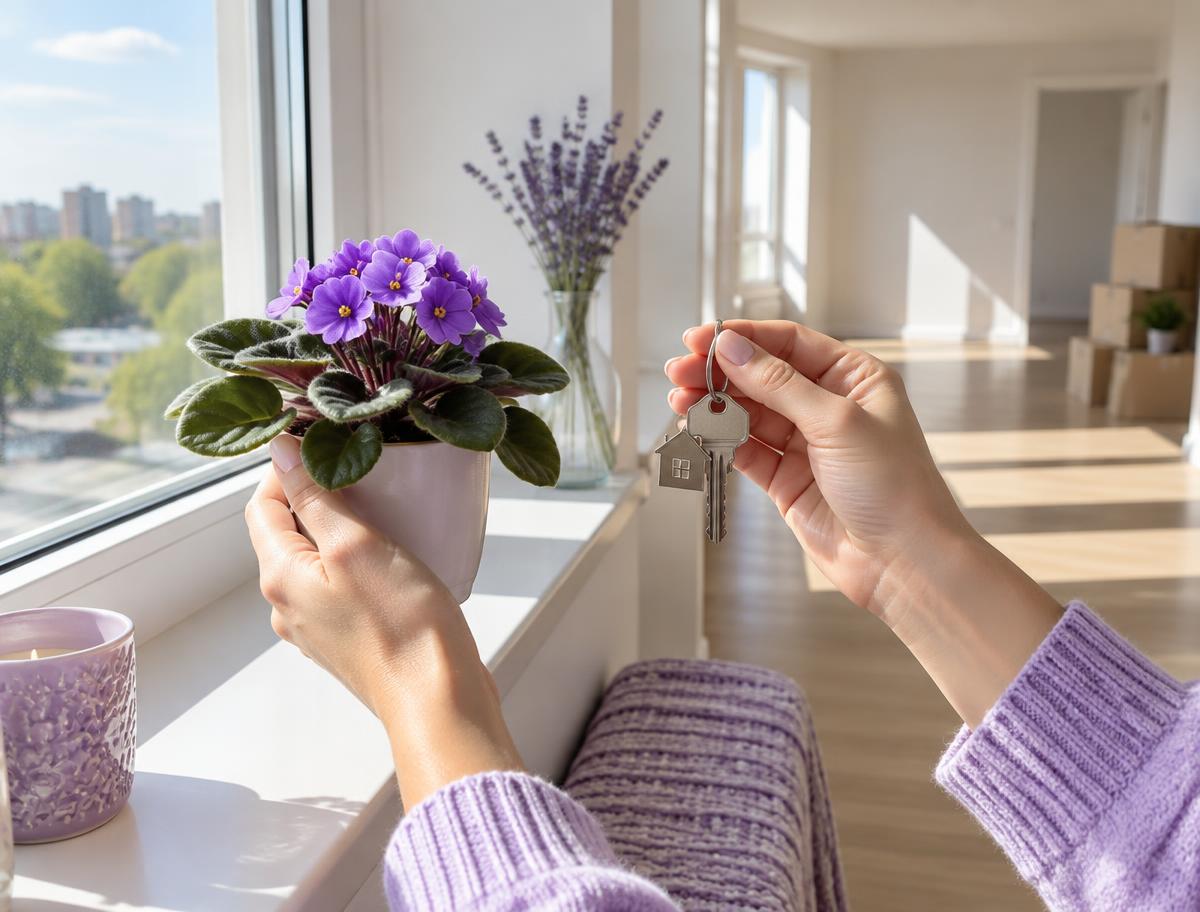
Control that quietly removes your exits, so that by the time you want to leave, leaving looks impossible.
You are not crazy. You were not imagining it. And you are not alone in this.

I'm not a therapist or a counselor. I'm someone who lived it — twice — and who spent three years inside a relationship that was slowly erasing me before I understood what psychological and narcissistic abuse even was.
I started sharing on Facebook because I kept meeting people who described my exact life and had no words for it either. Awareness came first. Then a plan. Then the long, messy work of getting out, staying out, and learning who I am without someone deciding that for me.
I'm still on that road, and I'll be honest with you about it. What I can offer is someone who believes you the first time, who won't rush you, and who will help you find the professionals and services that can do what I can't.
This is the path I'm walking. Some days I move forward three steps, some days one back — and that still counts as healing.
Naming it out loud. Writing down what actually happened so it can't be rewritten. Learning the words — gaslighting, coercive control, trauma bonding — and realizing there's nothing wrong with you.
Leaving is the most dangerous moment, so it needs a plan: a safety plan, documents, money, a trusted person, an advocate on the phone. Slow and safe beats sudden.
Sleep, therapy, boundaries, small joys, new routines. Relearning your own opinions. Building a life and a way of treating people that the abuse never got to touch.
If you're out and still not okay, this is why. These are normal responses to something that was never normal, and they do get better with support.
Trauma keeps the alarm switched on long after the danger leaves the room.
Living under stress for years shows up physically, and it's not in your head.
Abuse reaches past the relationship and into everything around it.
Nothing on this page is medical or legal advice. It's lived experience, shared so you can take it to someone qualified to help you.
These are trained advocates and services — free, confidential, and used to hearing exactly what you're about to say.
Free, confidential, 24/7. Advocates help with safety planning, shelter and local services.
If calling isn't safe, text or use the live chat at thehotline.org from a device he can't see.
Safety-planning tools, definitions of every form of abuse, and help finding services near you.
If the pain feels unbearable or you're thinking about harming yourself, reach out right now.
Shelter, counseling, legal advocacy and support groups in communities across the country.
Use private browsing, a friend's phone or a library computer, and clear your history when you can.
If your question isn't here, ask me anyway. Nothing is too small, too late or too complicated to bring.
Whether you're in it, out of it, worried about someone, or simply need to be believed for five minutes — write to me. No judgment, no pressure, no timeline.
Sharing this page, or telling one person the signs, already helps. If you'd like to contribute toward reaching more survivors, email me and I'll tell you exactly where it goes.
I'm a survivor, not a crisis service, and I can't always answer right away. If you are in danger call 911. For free confidential help any hour, call 1-800-799-7233 or text START to 88788. If your phone or computer may be monitored, use a device he can't reach.